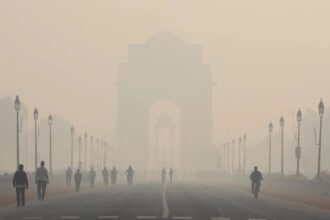
A toxic haze enveloped Delhi on Monday, leading to significant disruptions across the city. The air quality index reached alarming levels, prompting authorities to implement emergency measures. Schools were instructed to transition to online classes to protect students from the harmful effects of the pollution.
Visibility on the roads was severely reduced, resulting in traffic delays and increased caution among drivers. The haze also impacted air travel, with several flights experiencing delays due to poor visibility conditions. Train services were similarly affected, with some delays reported as a precautionary measure.
In response to the deteriorating air quality, the Delhi government announced a temporary ban on construction activities, which are known to contribute to air pollution. This measure aims to mitigate the release of dust and other pollutants into the atmosphere.
Health experts have warned residents to limit outdoor activities and take precautions, especially vulnerable populations such as children, the elderly, and those with pre-existing health conditions. The situation has raised concerns about long-term health effects and the need for sustainable solutions to address air quality issues in the capital. Authorities continue to monitor the situation closely as they seek to improve air quality in the region.